April 11, 2026
World Parkinson’s Day: Medics Stress Early Diagnosis, Awareness and Access to Treatment
New Delhi: World Parkinson’s Day is observed globally every year on April 11 to raise awareness about Parkinson’s disease, a progressive neurological disorder affecting millions worldwide. The date marks the birth anniversary of Dr James Parkinson, who first described the condition in 1817 in his landmark work An Essay on the Shaking Palsy. The day […]
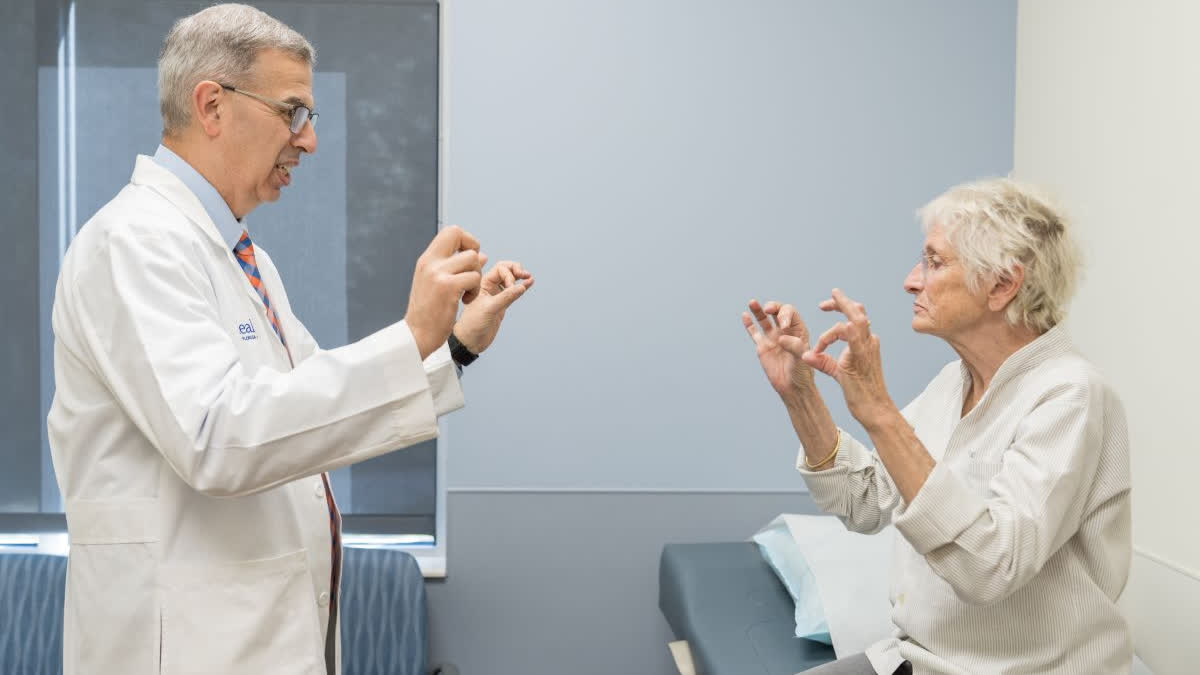
New Delhi: World Parkinson’s Day is observed globally every year on April 11 to raise awareness about Parkinson’s disease, a progressive neurological disorder affecting millions worldwide. The date marks the birth anniversary of Dr James Parkinson, who first described the condition in 1817 in his landmark work An Essay on the Shaking Palsy.
The day was formally established in 1997 by the European Parkinson’s Disease Association and the World Health Organisation to promote awareness, early diagnosis, and better care for patients.
According to neurologist Prof Debashish Chaudhary, former head of neurology at GB Pant Hospital, Parkinson’s disease is a degenerative neurological condition caused by the loss of dopamine-producing nerve cells in the brain’s substantia nigra region. The resulting dopamine deficiency affects movement, balance, and coordination.
Early symptoms include tremors in the hands and feet, muscle stiffness, and slowness of movement. As the disease progresses, patients may experience speech difficulties, reduced facial expressions, sleep disturbances, depression, anxiety, memory loss, and even dementia in advanced stages.
Experts say there is currently no permanent cure for Parkinson’s disease. However, it can be managed effectively through medication and lifestyle adjustments. Dopamine-enhancing drugs help improve motor functions, but early detection remains crucial.
Doctors warn that early signs such as loss of smell, constipation, mood changes, and low blood pressure should not be ignored. Ongoing global research offers hope for a permanent cure in the future.
Parkinson’s disease affects an estimated over 1 crore people worldwide, with a prevalence of about 150 cases per 1,00,000 individuals. The condition typically develops after the age of 60, though 5–10% of patients experience early onset before 50. Studies suggest men are at higher risk, with genetic factors also playing a role.…Read more by ETV Bharat