April 27, 2026
Energy shock ripples through kitchens, forests and conservation in Africa and South Asia
Energy shocks linked to the Iran war are pushing households across Africa and South Asia back to charcoal and firewood as cleaner cooking methods become more… Now, her stove is often cold as she crouches over a charcoal burner, coaxing a smoky fire to cook for her family outside her tin-roofed home in Kibera in […]
Energy shocks linked to the Iran war are pushing households across Africa and South Asia back to charcoal and firewood as cleaner cooking methods become more…
Now, her stove is often cold as she crouches over a charcoal burner, coaxing a smoky fire to cook for her family outside her tin-roofed home in Kibera in Kenya’s capital Nairobi, one of Africa’s largest informal settlements. Cooking gas is too expensive and often unavailable. Charcoal is always there.
Stories like hers are becoming more common because of the energy disruptions caused by the Iran war. Governments had promoted cleaner fuels like LPG for health and conservation reasons, but rising costs are undermining those gains.
The impacts are spreading beyond gas pumps to kitchens, forests, and wildlife habitats. Across Africa and South Asia, governments have spent years trying to shift households away from burning charcoal and firewood to cleaner fuels like liquefied petroleum gas, or LPG.
That push was driven by concerns over risks from air pollution, which killed 2.9 million people in 2021, according to the World Health Organization. But it also was focused on conservation, since use of firewood or charcoal increases pressure on forests and wildlife. Cutting trees faster than they grow back accelerates deforestation.
As more people search for fuel in the forest, they are encountering wildlife. At the same time, economic pressures can drive more poaching and bushmeat hunting, increasing the chance of diseases spreading from animals to people. Falling tourism means less funding for conservation, while high fuel costs make it harder for field teams to operate and respond quickly when wild animals enter human areas.
When LPG, kerosene or electricity become too expensive or unreliable, many families turn to firewood and charcoal because they are easier to get in cash-poor settings, even though they harm the environment, said Paula Kahumbu, a wildlife conservationist, and CEO of Nairobi-based WildlifeDirect.
Charcoal, made by slowly burning wood in kilns, is one of the most widely used cooking fuels in sub-Saharan Africa and a major driver of deforestation. Demand is climbing among customers in Nairobi’s low-income settlements, according to charcoal seller Munyao Kitheka.
Rama, a social worker who goes by only one name, spent years encouraging waste-picking families in Bhalswa, a poor neighborhood in the outskirts of the capital New Delhi, to adopt LPG. But with incomes below $3 a day, many can no longer afford pricier LPG cylinders and are reverting to stoves that burn firewood, or returning to villages where wood is easier to find.
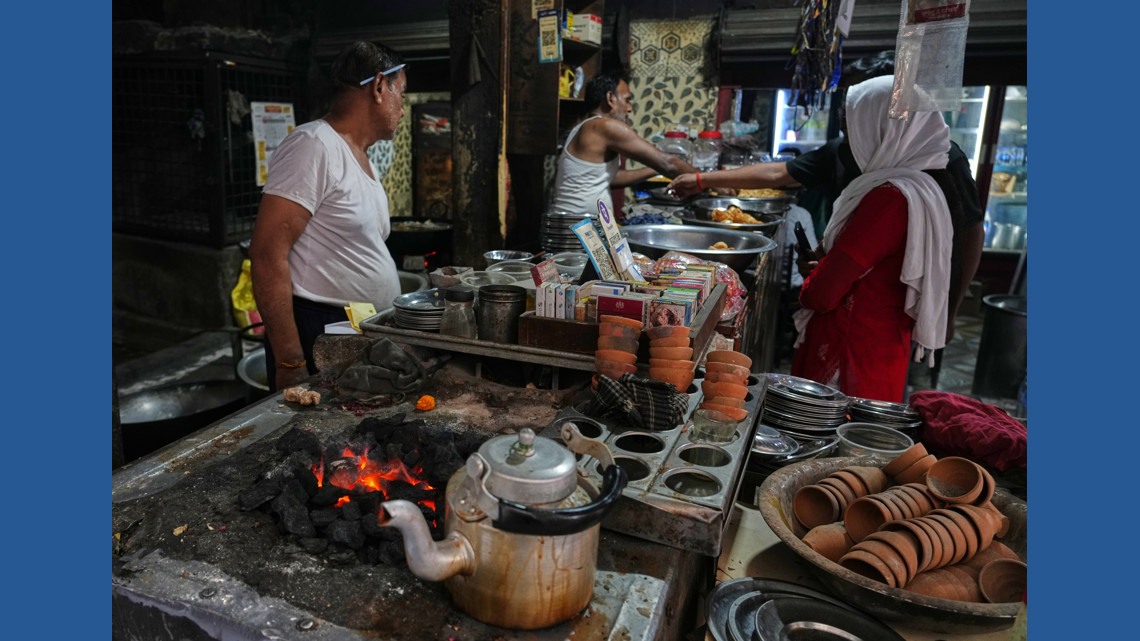
Reducing pressure on habitats by reducing fuelwood use has been central to conservation efforts in Asia, said Chatterjee of Chester Zoo. He cited an elephant conservation project in India’s northeastern Assam state where eateries had reduced wood use, but warned those gains could unravel as households shift back from LPG, which is produced from refining oil or natural gas.
The Associated Press’ climate and environmental coverage receives financial support from multiple private foundations. AP is solely responsible for all content. Find AP’s standards for working with philanthropies, a list of supporters and funded coverage areas at AP.org.…Read more by ALLAN OLINGO and ANIRUDDHA GHOSAL