July 6, 2026
FMD on Lesvos reaches pigs, but sheep and goats bear the brunt
A somewhat similar case occurred on May 6, on a farm just a few km north of the other case, near the town Napi. The outbreak had already been reported in May – at the time it was said to be a mixed cattle-sheep-goat farm. Here, over 6,000 animals had to be culled as in […]
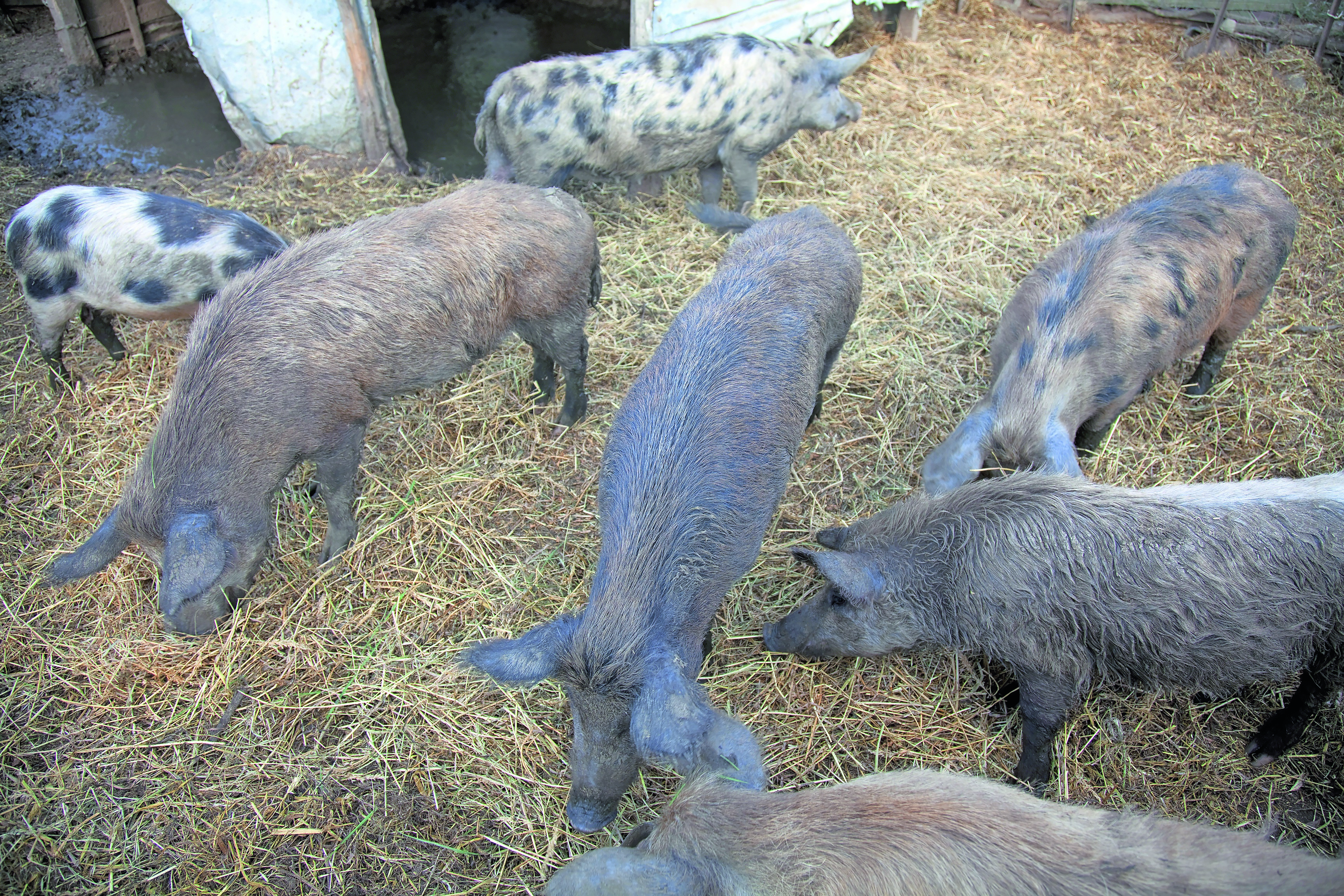
A somewhat similar case occurred on May 6, on a farm just a few km north of the other case, near the town Napi. The outbreak had already been reported in May – at the time it was said to be a mixed cattle-sheep-goat farm. Here, over 6,000 animals had to be culled as in total 116 members of the sheep-goat herd and 1 head of cattle were found infected. As it turns out now, the farm was also home to 15 pigs. Again, the virus was not found amongst the pigs themselves.
Majority of cases in goat and sheep
Pigs are not the main type of livestock at Lesvos, where the majority of activities revolves around goat and sheep husbandry. In the latest WOAH report (dating late June 2026), over 35,000 sheep and over 19,000 members of a mixed sheep/goat population had to be culled, since the virus emerged at Lesvos in March 2026. In addition, 516 head of cattle had to be culled as well.
The effect on the pig population in Lesvos has so far been minor in comparison to the situation on Cyprus. In April, the virus there broke out on 3 specialised pig farms, leading to the culling of almost 25,000 pigs. On Cyprus, FMD emerged in February, but it is assumed that the virus had been circulating before that in the Turkish-speaking northern part of the island, which is a self-proclaimed independent territory.
Most likely, both on Lesvos as well as in Cyprus, the virus came from Turkey. Mainland Turkey is known for harbouring various serotypes of FMD virus.…Read more by Vincent ter Beek