July 13, 2026
Japanese Mayor Sparks Controversy Over Paternity Leave – Newsy Today
Yawata Mayor Shoko Kawata is set to become the first Japanese mayor to take maternity leave, sparking a national debate on the compatibility of child-rearing and public office. According to the BBC, the 35-year-old official will delegate her duties to Deputy Mayor Shigeto Nose for four months, rather than taking formal leave, as current Japanese […]
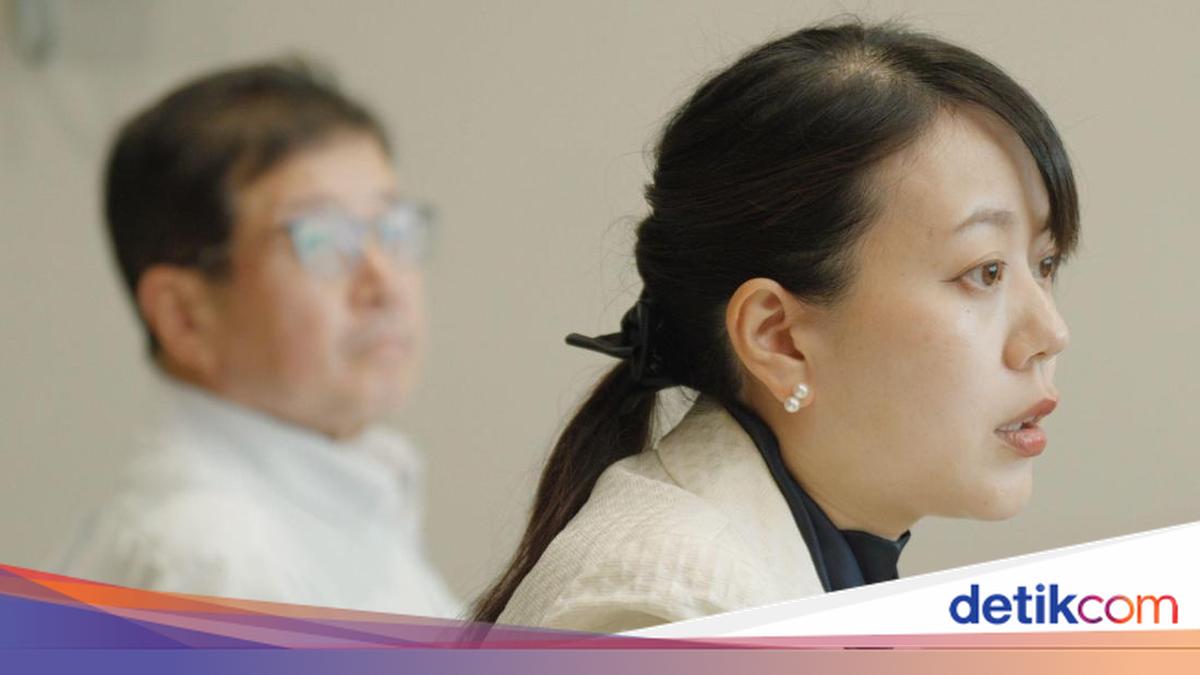
Yawata Mayor Shoko Kawata is set to become the first Japanese mayor to take maternity leave, sparking a national debate on the compatibility of child-rearing and public office. According to the BBC, the 35-year-old official will delegate her duties to Deputy Mayor Shigeto Nose for four months, rather than taking formal leave, as current Japanese law lacks a framework for elected local officials to take maternity breaks. The move has polarized public opinion, highlighting deep-seated tensions in a country struggling with a declining birth rate and a political landscape where women hold only about 4% of regional head positions.
The Legal and Administrative Hurdle for Elected Officials
The primary barrier facing Kawata is the absence of a defined legal pathway for elected leaders to step away for childbirth. Unlike standard employees in Japan, who are guaranteed leave under national regulations, Kawata relies on a temporary delegation of power. As reported by the BBC, she plans to take two months off before and after her due date in mid-September. Her deputy, 62-year-old Shigeto Nose, will assume authority during this period, conducting meetings with the mayor via remote digital platforms once a week.
This administrative workaround underscores a systemic gap. While Japan’s labor laws provide for six weeks of pre-natal leave and eight weeks post-partum for employees—with 67% wage coverage for the first 180 days—these protections do not automatically extend to the 1,720 municipal heads across the country.
Kawata’s announcement triggered a surge of commentary on platforms like X and YouTube, revealing a sharp divide in Japanese society. Supporters argue that the mayor is setting a necessary precedent, noting that the country’s failure to build family-friendly systems for pregnant women is a critical policy failure. Conversely, critics have labeled the decision “irresponsible,” with some suggesting that high-ranking officials should either avoid pregnancy during their term or resign if they require extended leave.
Former Akitakata Mayor Shinji Ishimaru, writing on his YouTube channel, suggested that while the public generally views maternity leave as a positive social good, the core friction lies in ensuring government continuity. The debate is symptomatic of a broader struggle in Japan, where traditional expectations often require public servants to sacrifice personal life for the state. Kawata rejects this, telling the BBC, “If we criticize politicians who take maternity leave, that means we are effectively excluding all women in their 20s to 40s—women of childbearing age—from public office.”
The case of Mayor Kawata has prompted reflection among her own colleagues. Deputy Mayor Shigeto Nose, who admitted to leaving all childcare responsibilities to his wife during his own children’s upbringing, noted that times are changing. He told the BBC that his own son-in-law is currently taking a six-month paternity leave, a development he describes as “happy” and a sign of progress.
Japan’s government has attempted to bolster fertility rates by offering incentives for dual-parent leave, including extra benefits for parents who both take time off starting April 2025. Despite these shifts in policy, the cultural stigma remains a significant obstacle. For Kawata, the hope is that her tenure serves as a catalyst for a future where women no longer feel they must choose between a political career and starting a family.
Can elected officials in Japan officially take maternity leave?
Currently, there is no specific legal framework for elected local officials to take official maternity leave. They must instead delegate their duties to deputies or other subordinates to ensure government continuity.
What is the current status of women in Japanese local government?
As of the latest data, women occupy approximately 4% of the 1,720 regional head positions in Japan. This remains a significant hurdle for gender equality in the country’s political sphere.
What financial support is available for parents in Japan?
Eligible employees receive 67% of their wages for the first 180 days of parental leave, and 50% thereafter. Since April 2025, additional incentives have been introduced for couples who both take leave in the first 28 days following birth.
Have thoughts on the evolving role of women in Japanese politics? Share your perspective in the comments below or subscribe to our weekly newsletter for more updates on global governance and social policy.…Read more by Chief Editor