August 2, 2026
How Do You Know if You Need a Pulmonary Function Test?
A pulmonary function test (PFT), or lung function test, is a simple way to check how well your lungs are working. It measures airflow and lung capacity to help detect or monitor respiratory diseases. Knowing how your lungs are performing can help you better manage your overall health. • Assess lung function before procedures: This […]
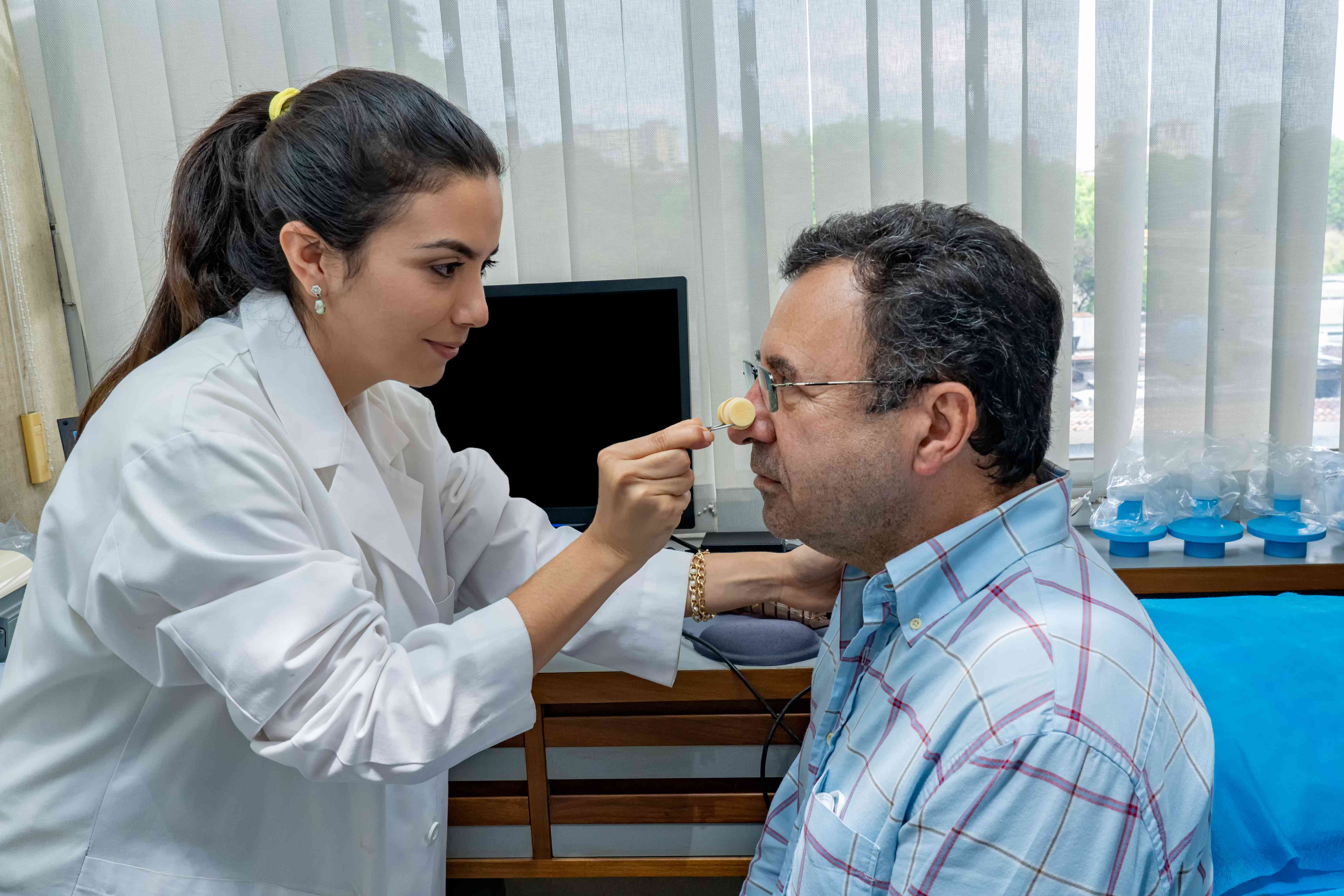
A pulmonary function test (PFT), or lung function test, is a simple way to check how well your lungs are working. It measures airflow and lung capacity to help detect or monitor respiratory diseases.
Knowing how your lungs are performing can help you better manage your overall health.
• Assess lung function before procedures: This is especially helpful in people with lung or heart diseases or smokers. It can determine their ability to tolerate the procedure.
• Check lung function in people exposed to hazards: These include dust or chemical fumes at work or home. A PFT can detect signs of lung or airway damage.
• Diagnose respiratory diseases: These include asthma and chronic obstructive pulmonary disease (COPD). They limit airflow and cause breathing difficulties.
• Monitor existing diseases: A PFT can assess the effectiveness of treatments and guide treatment plans.
Your doctor may order one or more PFTs if you have symptoms like:
Doctor also order PFTs if you:
• Have a respiratory disease or another condition that can damage your lungs (e.g., scleroderma, which is an autoimmune disease that causes tissue to thicken)
• Were exposed to dust, fumes, or other substances that can cause lung damage (e.g., radiation, asbestos)
• Had a chest X-ray with abnormal results (e.g., fluid around the lungs, lung tissue scarring)
PFT results provide insights into various aspects of lung function, including:
• Lung volume: The amount of air your lungs can hold
• Airflow: How much and how quickly you exhale air
• Gas exchange: How efficiently your lungs absorb oxygen and move it into your bloodstream
PFT test results are compared to standard reference values based on age, sex, and height.
There are many types of pulmonary function tests. Each test measures different aspects of lung function to help healthcare providers assess lung function. Your healthcare provider will consider your symptoms to determine which tests to order.
Spirometry measures lung volume—how much and how quickly you can blow air out of your lungs. The spirometer measures and records your test results, which include:
• Forced vital capacity (FVC): How much air you can forcibly and fully expel from your lungs after taking a deep breath
• Forced expiratory volume – 1 second (FEV1): How much air you can forcibly expel from your lungs in one second immediately after taking a deep breath
Lung plethysmography measures the amount of air in your lungs after inhaling and exhaling. Unlike spirometry, which measures how much air you can exhale, lung plethysmography measures how much air you can hold in your lungs. It helps healthcare providers identify lung damage or decreased ability of your lungs to expand as you inhale. Lung plethysmography measures:
• Total lung capacity (TLC): How much air your lungs can hold after taking as deep a breath as possible
• Residual volume (RV): How much air remains in your lungs after forcefully exhaling
• Functional residual capacity (FRC): How much air remains in your lungs after exhaling normally
A lung diffusion test assesses how efficiently oxygen transfers from your lungs into your bloodstream. This involves inhaling a low-concentration carbon monoxide and a tracer gas (e.g., helium), holding your breath for 10 seconds, and rapidly exhaling into a mouthpiece.
The amount of tracer gas in the air you breathe out tells healthcare providers how efficiently your lungs exchange oxygen and carbon dioxide.
How Does It Work?
Pulmonary function tests are non-invasive, meaning they are usually quick, pain-free, and safe for most people. Knowing what to expect can help you prepare and ensure your test goes smoothly. There are different procedures for each type of PFT, but they are all relatively straightforward and involve following simple instructions to ensure your test results are accurate.
Before you have any pulmonary function test, your healthcare provider may ask you to:
• Avoid smoking for six hours before the test
• Avoid eating a large meal at least two hours before the test
• Avoid intense exercise at least 30 minutes before the test
• Wear loose-fitting clothing that allows you to breathe comfortably
Talk to your healthcare provider about your medicines, especially for treating breathing problems, such as a bronchodilator (medicine that opens your airways). They may ask you to stop taking the medication for a certain period (e.g., six hours) leading up to your PFT.
When you arrive for a spirometry test, the technician performing the test will give you verbal instructions on the steps you will take throughout the process. A full pulmonary function test takes about 30-45 minutes, but a spirometry test takes only about 10 minutes. It involves the following:
• You will sit comfortably with a nose clip placed on your nose to ensure you breathe through your mouth.
• You will wrap your lips around a mouthpiece connected to a spirometry machine.
• The healthcare provider will ask you to breathe as deeply as possible and blow out as quickly and hard as possible. This step is repeated at least three times to ensure accurate results.
The technician may give you medicine to open your airways and repeat the test to see if the medicine improves your breathing. If you feel dizzy or lightheaded at any point during the test, stop blowing into the mouthpiece and tell the technician.
A lung plethysmography test involves breathing normally and rapidly while sitting in a special airtight cabin with clear walls (similar to a telephone booth).
It can also be done via a nitrogen washout method, which doesn’t involve the clear box. Plethysmography is more accurate, but some people might not be able to physically be inside the box or may feel claustrophobic.
The test is painless, though you may sometimes feel lightheaded or short of breath. The test takes approximately 15 minutes and involves the following:
• You’ll wear a soft clip on your nose to close off your nostrils and encourage breathing through your mouth.
• You’ll place your lips over a mouthpiece in open and closed positions throughout the test.
• The technician will ask you to breathe normally and take short, shallow breaths (pant) throughout the test.
• As you breathe and your chest moves, the pressure and amount of air in the room change. These changes help measure the amount of air in your lungs.
Talk to your healthcare provider if you have difficulty in closed spaces. The airtight cabin has clear walls so you and the technician can see each other throughout the test.
A lung diffusion test takes about 5-10 minutes and involves the following:
• You’ll sit comfortably with a soft clip placed on your nose to close off your nostrils.
• You’ll wrap your lips around a mouthpiece connected to a machine (spirometer).
• The technician will ask you to exhale and empty your lungs as much as possible.
• You’ll take a quick, deep breath to inhale a low-concentration tracer gas and hold your breath for 10 seconds.
• You’ll exhale, and the machine will measure the amount of carbon dioxide in the air that you exhale. This shows how much gas your lungs absorb and move into your blood.
Pulmonary function tests are outpatient, meaning you can leave the testing facility after the test. You can resume your normal activities immediately afterward, though you may feel tired after putting extra effort into breathing during the test. Coughing after pulmonary function tests is also common.
Pulmonary function tests (PFTs) are generally considered safe and have few risks. You may feel slight dizziness, lightheadedness, or shortness of breath during certain breathing maneuvers (e.g., rapid, shallow breathing) during the test, which should resolve quickly after the test.
You should not undergo a pulmonary function test if you:
• Have certain types of heart disease
How To Prepare for a Pulmonary Function Test
Most pulmonary function tests occur in a hospital or clinic’s pulmonary function lab, with healthcare providers specializing in performing PFTs. Your healthcare provider will instruct you on what to wear, eat, drink, and avoid on your test day. This may include:
• Clothing: Wear comfortable, loose-fitting clothing that allows for deep breaths and doesn’t restrict your chest or abdomen. If you wear dentures, wear them to the test to help you hold the mouthpiece in place throughout the test.
• Food and drink: Avoid heavy meals for two hours before the test, as a full stomach can affect how deeply you can breathe. Do not drink alcohol or consume caffeinated foods or beverages (e.g., soda, coffee, tea, chocolate) in the hours leading up to the test.
• Smoking: If you smoke, your healthcare provider will ask you to refrain from smoking six hours before the test.
• Medications: Inform your healthcare provider about all medications you take. They may ask you to avoid taking some medications (e.g., bronchodilators that open your airways) for a specific period before the test.
Preparing for your PFT before your appointment can help ensure your experience goes smoothly. Here’s what to consider:
• Insurance coverage: If you have health insurance, your plan may provide full or partial coverage of the cost of your PFT if a healthcare provider says it’s medically necessary. Check with your insurance company beforehand to understand your plan’s coverage and potential out-of-pocket (OOP) costs.
• What to bring: Bring your photo identification (e.g., driver’s license), insurance card, and any referral or requisition forms required. Ask your healthcare provider beforehand if you need to bring your medical records, previous test results, or a list of medications to your appointment.
• Support person: Depending on the testing facility’s policy, you should be able to bring a family member or a friend for support before and after your test. Your support person may need to sit in the waiting room during your test, as some facilities do not allow additional people in the testing room.
• Ask questions: Don’t hesitate to ask your healthcare provider or the technician performing the test about any concerns you have before and during the test.
If you have a respiratory illness like a cold or flu, call the test center and ask if you need to reschedule your appointment.
After the PFT is complete, the technician will send the recorded data from your test and send it to your healthcare provider for interpretation. The timeframe for receiving your results can vary depending on the facility, though you should have them within a few days.
To determine whether you have a lung disease, your healthcare provider will compare your PFT results to established reference values for your age, sex, and height. This means your provider compares your test results to normal results from healthy people who are the same age, height, and sex as you. Normal pulmonary function tests fall within a certain range from the mean (average) based on those factors.
Your healthcare provider will call or schedule a follow-up appointment to share your test results and discuss what they mean. Abnormal PFT results may mean you have a lung disease. Lung function tests cannot diagnose a specific condition, but they can tell which of the two main types you may have.
Obstructive lung conditions cause your airways to narrow, making it harder for air to leave your lungs. They include:
• Bronchitis (inflammation of the inner mucus lining of the bronchial tubes in your lungs)
Restrictive lung conditions limit how much air your lungs can take in and hold. They include:
• Interstitial lung disease (a group of conditions that cause lung inflammation and/or scarring)
• Sarcoidosis (an autoimmune disease that causes lumps of inflamed tissue to form within organs)…Read more by Lindsay Curtis