August 5, 2026
Japan’s Cabinet approves sales tax cut on food and drinks for two years
It will be lowered to 1 per cent from the current 8 per cent for two years starting next April. Read more at straitstimes.com. Read more at straitstimes.com. Prime Minister Sanae Takaichi’s government aims to enact related legislation for the inflation-relief scheme. Set as preferred sourceJapan’s Cabinet approved reducing the consumption tax on food and […]
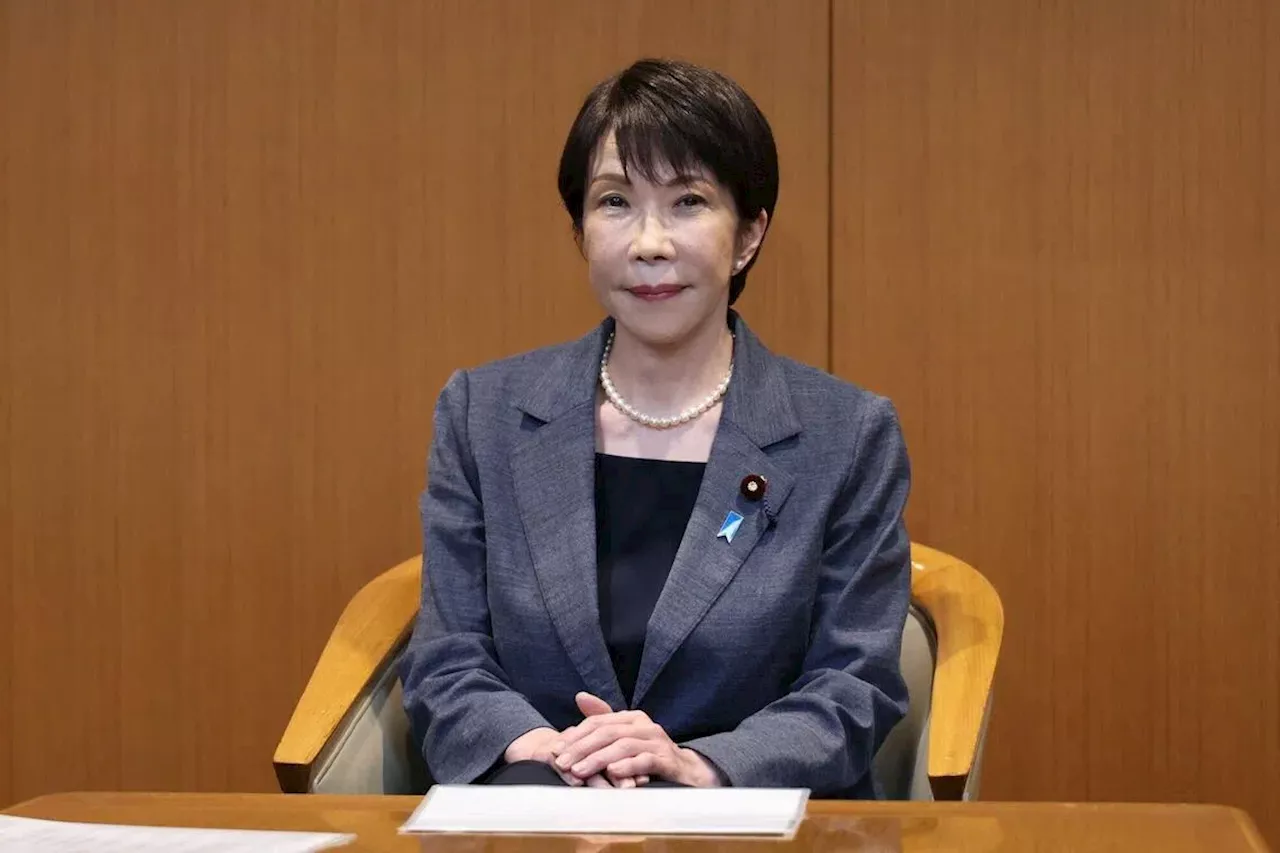
It will be lowered to 1 per cent from the current 8 per cent for two years starting next April. Read more at straitstimes.com. Read more at straitstimes.com.
Prime Minister Sanae Takaichi’s government aims to enact related legislation for the inflation-relief scheme. Set as preferred sourceJapan’s Cabinet approved reducing the consumption tax on food and drinks from 8% to 1% for two years starting next April, aiming to ease inflation impacts on households.
Prime Minister Takaichi plans to fund the tax cut by budget reforms without issuing more government bonds, despite concerns over lost revenue of about 10 trillion yen. The tax cut is a transitional measure until 2029, with cash handouts to low- and middle-income earners; opposition parties criticise it as a temporary relief with future risks.
KYODO – Japan’s Cabinet approved on Aug 5 a plan to lower the consumption tax rate on food and beverages to 1 per cent from the current 8 per cent for two years starting next April, in what will be the first reduction since the system’s introduction in 1989. Prime Minister Sanae Takaichi’s government aims to enact related legislation for the inflation-relief scheme, which will involve cash handouts to low- and middle-income earners to realise “effectively zero” tax burdens, during an extraordinary parliamentary session likely to begin in the fall.
While the plan is intended to support households facing persistent inflation, it has fuelled concerns about Japan’s fiscal health amid already high government bond yields and a weak yen. It also caused backlash from many opposition forces and even from some members of the ruling Liberal Democratic Party led by Takaichi.
Takaichi, known for her dovish stance on fiscal policy, has yet to identify a specific revenue source to offset the tax cut but vowed to secure the necessary funding through budgetary reforms such as reviewing non-tax revenues and subsidies “without relying on” the issuance of deficit-covering bonds. The two-year tax reduction is estimated to result in around 10 trillion yen in lost revenue, a vital funding source for social security.after campaigning on a pledge to consider slashing the consumption tax rate on food and beverages to “zero” for two years.
Its junior coalition partner, the Japan Innovation Party, as well as many opposition parties, made similar campaign pledges. The ruling parties later decided on the 1 per cent plan after learning at a meeting of the cross-party “national council” on taxation and social security that modifying retailers’ cash register systems to accommodate a zero tax rate would take more time.
On July 30, Takaichi officially announced the tax cut to 1 per cent, which was among the proposals written in a report compiled by the national council when it failed to reach a consensus the previous day, effectively leaving the decision on the matter to the premier. Opposition parties have argued that a de facto tax rate hike eventually awaits the public since the cut is a temporary measure.
To fulfil the campaign pledge of a zero tax, the government will provide about 600 billion yen a year to low- and middle-income households, an amount equivalent to the revenue generated by a 1 per cent tax rate on food and beverages. Takaichi has said that the two-year tax cut will serve as a “transitional” measure until the new income-linked relief programme for lower-income workers is introduced in April 2029 and that she will “take responsibility” for restoring the tax rate to its original level after the reduction period.
She has also said the government will take supportive measures for small farmers and restaurant operators, who could be negatively affected by the tax reduction. The tax cut plan was approved at the LDP’s decision-making general council earlier on Aug 5, although some veteran lawmakers such as former Foreign Minister Taro Kono and former Defence Minister Gen Nakatani had expressed their opposition.
Japan’s consumption tax rate has gradually increased, mainly to finance mounting social security costs as the population rapidly ages. Starting at 3 per cent, the rate rose to 5 per cent in 1997 and 8 per cent in 2014, respectively. KYODO NEWS
Similar News: You can also read news stories similar to this one that we have collected from other news sources.
Ng Chee Meng moves to Faishal’s seat in frontbench as Parliament adjusts seating planDiscover changes in Singapore’s Parliament seating plan following a Cabinet reshuffle, with Ng Chee Meng moving to the frontbench. Read more at straitstimes.com. Read more at straitstimes.com.
Read more »
Sri Lanka cabinet backs extending superior court judges’ tenureCOLOMBO, Aug 4 – Sri Lanka’s cabinet on Tuesday approved a constitutional amendment that would extend superior court judges’ tenure by two years, an official said, as the country seeks to clear a backlog of more than 1 million court cases and ease the pressure on its overcrowded prisons. Read more at straitstimes.com. Read more at straitstimes.com.
Read more »
Forum: Rope in trained community volunteers to help maintain firefighting equipmentRead more at straitstimes.com. Read more at straitstimes.com.
Read more »
AI becomes a non-starter in healthcare if there is inherent distrust in its use: Ong Ye KungRead more at straitstimes.com. Read more at straitstimes.com.
Read more »…Read more by STForeignDesk