November 16, 2026
How Centrica’s Bid for Uniper Could Shape Germany’s Gas‑Power Future
Centrica plc has been formally invited by the German government to submit a binding offer for the majority stake in Uniper AG, the country’s largest natural‑gas supplier. The invitation follows a tightening of the bidder list, with Brookfield and CPP, Equinor, and Centrica all receiving formal call‑outs. Earlier bids from a RWE‑KKR consortium and the […]
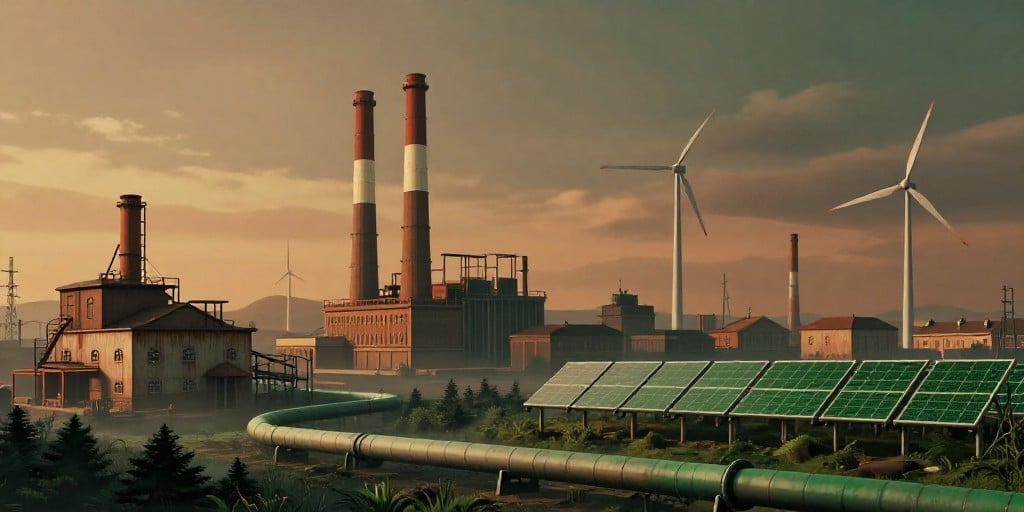
Centrica plc has been formally invited by the German government to submit a binding offer for the majority stake in Uniper AG, the country’s largest natural‑gas supplier. The invitation follows a tightening of the bidder list, with Brookfield and CPP, Equinor, and Centrica all receiving formal call‑outs. Earlier bids from a RWE‑KKR consortium and the EP‑group of Czech billionaire Daniel Křetínský were withdrawn or declined to comment.
The German authorities have reiterated that any future ownership of Uniper will remain largely foreign, although the state will retain a 25‑per‑cent holding that confers a veto on significant decisions. The sale process is described as more than a price competition; it involves navigating a complex web of approvals and security reviews, reflecting the political significance of the asset. Analysts note that the current valuation of Uniper is still below pre‑crisis levels, a discount that is expected to persist until the state can exit the market.
A successful bid by Centrica would consolidate a significant portion of Germany’s gas‑fired capacity under a British‑listed entity. This could facilitate cross‑border coordination between the UK and EU power markets, but would also necessitate rigorous compliance with German and European grid codes. The transition to a more integrated grid, especially with increased renewable generation, would demand substantial investment in grid‑stability technologies such as synchronous condensers, static VAR compensators, and flexible AC transmission systems (FACTS).
Germany’s Energiewende policy targets 80 % of electricity from renewables by 2030. The continued expansion of wind and solar resources introduces significant intermittency. Gas turbines provide the “flexibility reserve” required to counterbalance these fluctuations, but their optimal operation is constrained by fuel price volatility and carbon‑pricing mechanisms.
• Ramp‑Rate Limitations – Modern gas turbines can achieve up to 60 MW per hour ramp‑rate, but legacy units may be slower, limiting their ability to respond to rapid solar curtailments.
• Capacity Curtailed by Renewable Penetration – Excess solar during midday can force curtailment of gas plants, reducing their economic viability.
• Grid Congestion – High renewable output in certain regions can overload local transmission assets, requiring either infrastructure upgrades or curtailment.
Centrica’s technical expertise in integrating gas‑based balancing services could help mitigate these challenges, provided sufficient investment is made in grid upgrades and control‑system modernization.
The European Network of Transmission System Operators (ENTSO‑E) estimates that achieving 80 % renewable penetration will require an additional €150 billion in grid investments by 2030. This includes:
• Upgrading Sub‑Synchronous Frequency Control (SSFC) Units – To provide ancillary services that maintain grid frequency without relying on gas turbines.
• Deploying Energy Storage – Battery and pumped‑hydro storage can absorb surplus renewable generation and deliver it during deficits.
• Extending High‑Voltage Direct Current (HVDC) Links – HVDC is essential for long‑distance transmission of wind power from coastal regions to load centres.
Centrica’s bid for Uniper could enable a re‑allocation of capital toward these priority areas, leveraging its experience in operating large gas fleets and in participating in EU‑wide infrastructure projects.
German regulatory authorities, notably the Federal Network Agency (Bundesnetzagentur), are actively revising tariff structures to incentivise renewable integration while ensuring grid reliability. Key points:
• Capacity Market Reform – The capacity market will transition from a “price‑cap” model to a more flexible “capacity price” system, allowing operators to bid based on actual costs and expected marginal costs.
• Ancillary Service Markets – New markets for frequency response and voltage support will be introduced, potentially generating additional revenue streams for gas operators.
• Carbon Pricing – The EU Emissions Trading System (ETS) imposes a carbon cost on gas combustion, affecting the economic attractiveness of gas‑fired units.
If Centrica acquires Uniper, it will need to navigate these evolving tariffs. A strategic approach could involve deploying gas turbines primarily as balancing reserves rather than baseload generators, thereby aligning with future market signals.
• Reduced Transmission Losses – Smart grid technologies can reduce losses by up to 3 %, translating to lower consumer bills.
• Investment Payback – The internal rate of return (IRR) for grid upgrades is projected to be 6–8 % over a 20‑year horizon, offering acceptable returns for regulated utilities.
However, higher investment costs may lead to modest rate increases. The regulatory framework in Germany emphasizes rate‑payer protection, meaning any rate hikes would be scrutinised for economic necessity and efficiency.
Centrica plc’s invitation to bid for Uniper places it at the nexus of a complex interplay between power‑system technology, regulatory evolution, and market economics. Success would not only reshape the German gas market but also position Centrica to play a pivotal role in the EU’s energy transition, ensuring grid stability through advanced generation and distribution solutions while managing consumer cost implications within a tightly regulated framework.…Read more by Thomas Mitchell