April 22, 2026
Tyler Schipper Analyzes Factors Driving Economic Uncertainty
Tyler Schipper, an associate professor of economics at the University of St. Thomas, joined KSTP for a “Money Monday” segment to break down current economic uncertainty. The conversation focused on the impact of global conflicts, market volatility and rising gas prices, offering insight into the factors influencing the economy and what consumers may expect in […]
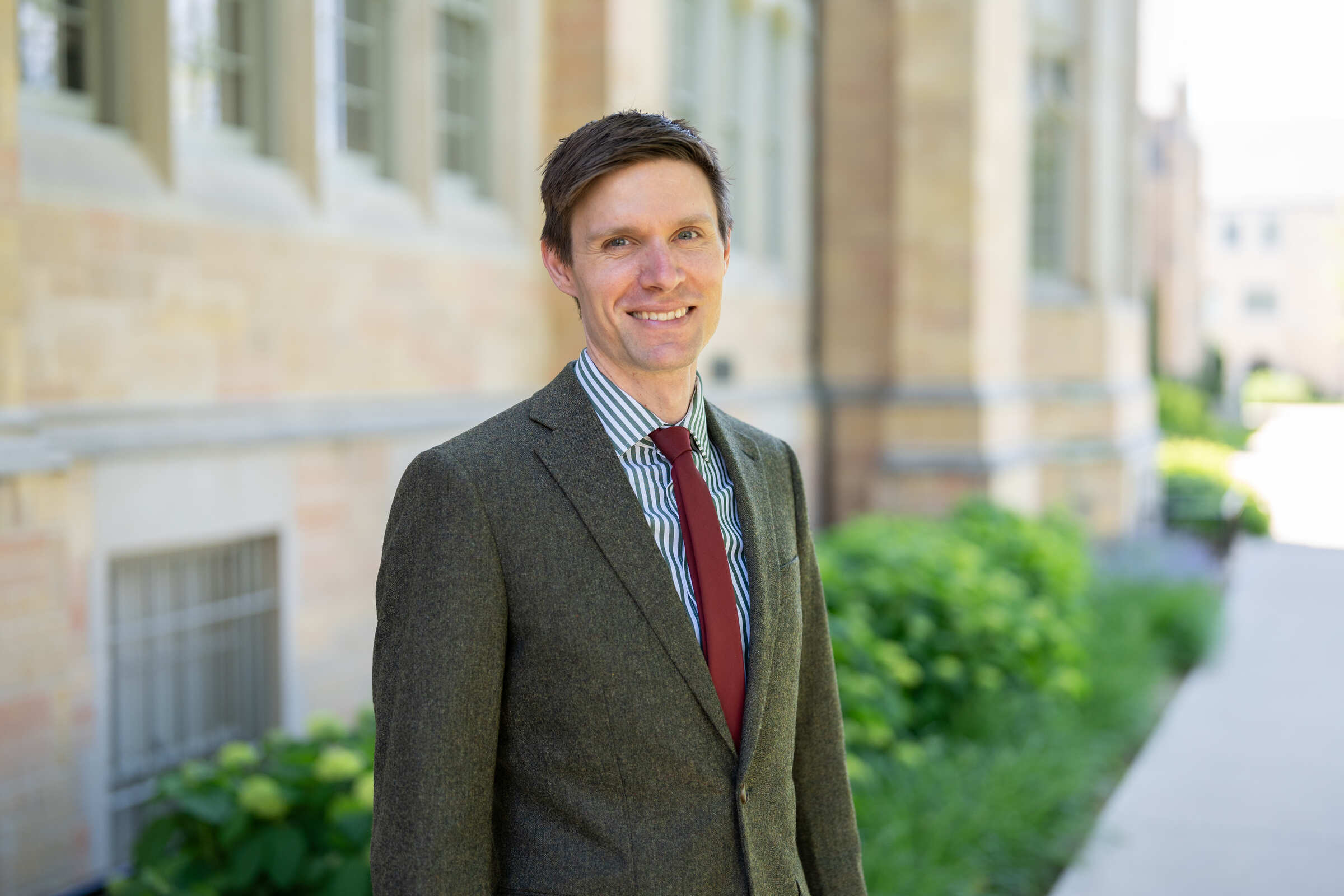
Tyler Schipper, an associate professor of economics at the University of St. Thomas, joined KSTP for a “Money Monday” segment to break down current economic uncertainty. The conversation focused on the impact of global conflicts, market volatility and rising gas prices, offering insight into the factors influencing the economy and what consumers may expect in the months ahead.
From the conversation:
“This is supposed to be a blockade of Iranian goods, not the strait. There is this oddity where, the reason for why you’re putting this blockade up is so Iran can’t sell its oil, while a while back we lifted sanctions on Iranian oil,” said Schipper.
“There are some prices to be very quick to react, like oil prices. There are some prices that are kind of medium to react, like grocery. And longer term prices. Everything you see on the shelf was transported by a truck that used diesel, maybe took a ship that used diesel, maybe flew on a jet that used jet fuel. All those prices are going up and the transportation companies simply can’t absorb all these additional costs,” he continued.…Read more by The Newsroom