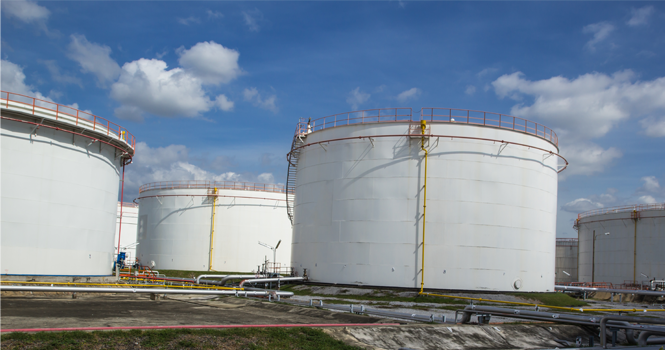
Understanding US Oil Inventories
US oil inventories are a crucial indicator of the health of the oil market, reflecting the balance between supply and demand. An increase in inventories, as seen in the recent report, often suggests that production is outpacing consumption, which can lead to price adjustments in the market.
The Energy Information Administration (EIA) regularly tracks these inventories, providing insights into market trends. For instance, the rise of 1.9 million barrels reported for the week ending April 17, 2026, highlights a shift in refinery demand dynamics, particularly during periods of high oil prices influenced by geopolitical factors.
Implications of Rising Oil Inventories
The recent increase in US oil inventories has significant implications for both consumers and producers. Higher inventories can indicate weaker refinery demand, which may lead to lower crude oil prices in the short term, affecting everything from gasoline prices at the pump to the profitability of oil companies.
Moreover, this situation may prompt refiners to adjust their operations, potentially leading to reduced production levels or increased imports. Understanding these implications helps stakeholders make informed decisions in a fluctuating market environment.
The Role of Geopolitical Tensions in Oil Prices
Geopolitical tensions play a pivotal role in shaping oil prices and market stability. Events such as conflicts, sanctions, or trade disputes can disrupt supply chains, leading to price volatility. The current high prices are partially attributed to such tensions, which create uncertainty in the market.
For example, ongoing conflicts in oil-producing regions can lead to fears of supply shortages, prompting traders to adjust their expectations and pricing strategies. This interplay between geopolitical issues and oil inventories is essential for understanding market movements and future trends.
Future Trends in the Oil Market
As the oil market continues to evolve, several trends are emerging that could shape its future. These include advancements in technology, shifts towards renewable energy sources, and changing consumer behaviors, all of which influence demand for crude oil and its derivatives.
Additionally, analysts are closely monitoring how global economic recovery post-pandemic will affect oil consumption patterns. The interplay of these factors will be crucial in determining the trajectory of oil prices and inventory levels in the coming months.