July 27, 2026
Free college tuition plan would come with heavy burdens we must discuss
Let’s talk about it. As Franklin County leaders, we owe our residents honest, transparent conversations about how we invest in our community and how those choices affect the people who live here. At a time when families are working harder just to keep up, and when everyday costs are rising faster than wages, it’s more […]
Let’s talk about it. As Franklin County leaders, we owe our residents honest, transparent conversations about how we invest in our community and how those choices affect the people who live here.
At a time when families are working harder just to keep up, and when everyday costs are rising faster than wages, it’s more important than ever that we pause, listen, and talk openly about what new tax proposals really mean for household affordability.
Our commitment to expanding opportunity must go hand‑in‑hand with a commitment to understanding who pays for it — and how those decisions shape the lives of the people we serve.
Over the past several years, Franklin County residents have seen their cost of living rise much faster than their wages. Since 2019, the everyday essentials families rely on — housing, groceries, utilities, healthcare, transportation—have increased by roughly 15%, while median household income has grow only about 11%.
More: Columbus State trustees decline to vote on free tuition levy, weigh options
That gap may look small on paper, but in real life it means thousands of dollars missing from a family’s annual purchasing power. A household earning $70,000 in 2019 would need about $80,500 today just to afford the same things it did five years ago.
Families are making more money, but falling further behind. That reality should matter any time we talk about raising taxes.
Property taxes are especially challenging because they are regressive.
Lower‑income households spend more than 10% of their income on property taxes, compared to just over 3% for higher‑income households.
And renters — who make up a large portion of our community — are not protected from these increases. Studies show that 80–90% of property taxes paid by landlords are passed directly on to renters through higher rent.
When we raise property taxes, we are asking the people least able to absorb new costs to carry the largest proportional burden.
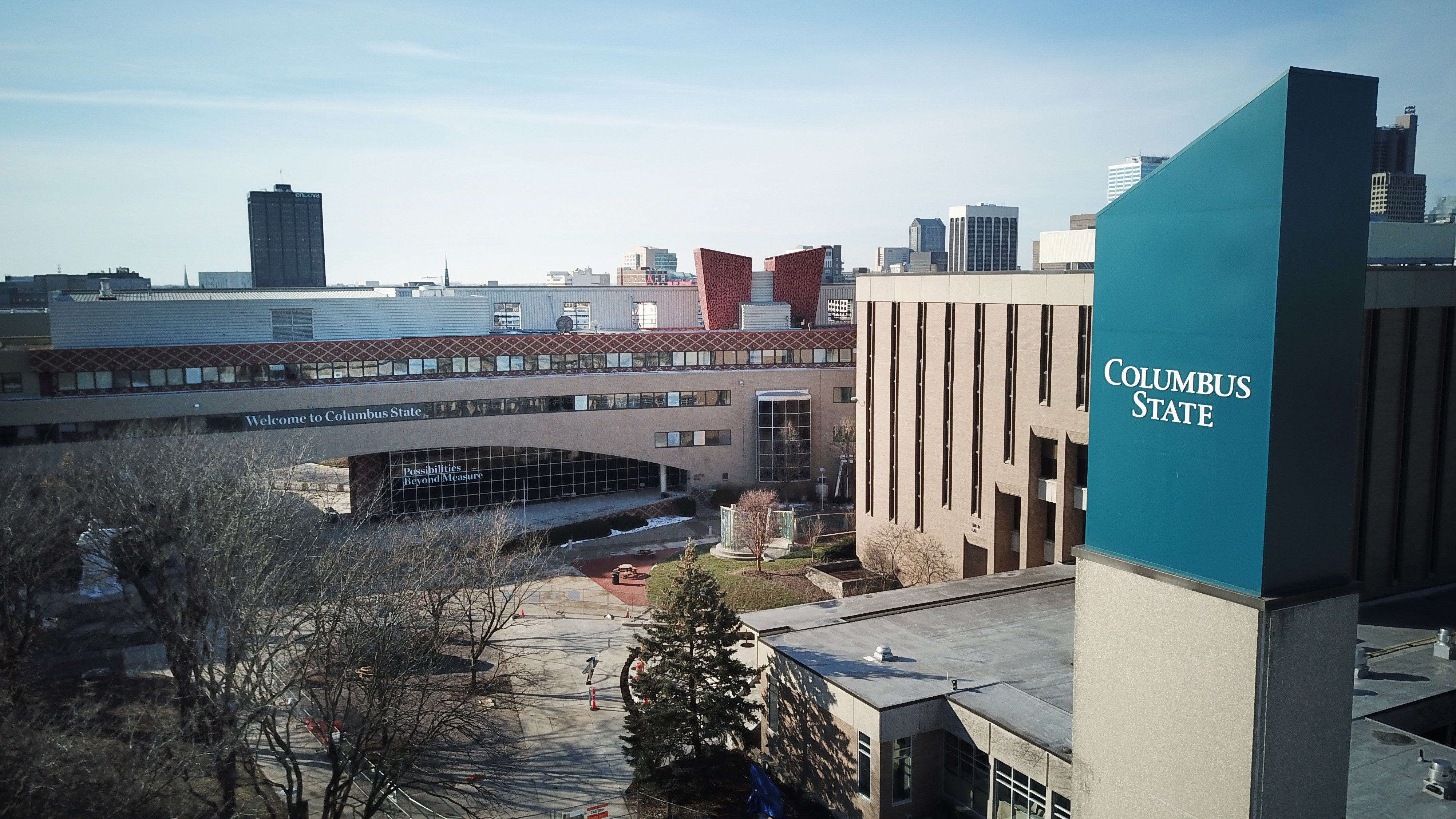
This is why we must be careful as discussions continue around new levies, including the large, first‑of‑its‑kind 10‑year, 1.9‑mill levy being considered by Columbus State Community College. According to recent reporting, this levy would cost homeowners about $67 annually for every $100,000 of home value and raise roughly $95 million a year.
The goal — tuition‑free college for Franklin County high school graduates — is admirable.
I support expanding educational access. I support building a stronger workforce. But supporting an investment does not mean ignoring who pays for it.
If we know property taxes fall hardest on seniors on fixed incomes, working families, single parents, renters, and first‑time homeowners, then we must ask: is this the right funding tool?
Is this the right moment, given affordability concerns that are already growing? Is the cumulative tax load sustainable?
As a commissioner, I hear from residents every day. They aren’t dividing their tax bills into categories: this part for parks, this part for human services, this part for education. They experience the total burden at once. And today, many households are already near their limit.
Our affordability advantage over other communities is shrinking. Our residents are being asked to absorb rising prices, rising housing costs, and rising taxes — simultaneously. Before adding another levy, we owe it to them to thoroughly explore alternatives.
Letters: Our property taxes are through the roof. We can’t pay for free college for all
Being cautious about new tax levies isn’t about rejecting investments in people. It’s about ensuring that our investments don’t harm the very people we’re trying to help.
We also must acknowledge the broader landscape: the future of Ohio’s property tax system itself is in flux.
Recent reforms passed by the legislature are only beginning to take effect, and the next governor—regardless of who wins—has signaled that significant tax changes, including property tax revisions, may be on the table.
That uncertainty adds yet another reason to proceed carefully and ensure residents aren’t asked to shoulder new burdens while the rules of the system may soon change.
Franklin County is strongest when it grows responsibly, equitably, and with the full voice of its residents guiding major decisions. Any proposal of this scale deserves — and requires — that approach.
Ultimately, any major investment should begin with a conversation — a real one, grounded in the lived experiences of our residents. So let’s talk about affordability.
Our View: Now definitely isn’t time for more taxes. Columbus leaders, read the room
Let’s talk about the cumulative impact of rising taxes, prices, and housing costs. And let’s talk about how we can build a brighter future without placing too heavy a burden on the families who are already stretching every dollar.
If we keep community dialogue at the center of this process, we can make smart, responsible choices that honor both our ambitions and the people we’re here to serve.
So, let’s talk about it.
This article originally appeared on The Columbus Dispatch: Free college tuition plan would come with heavy burdens we must discuss | Commissioner…Read more by Amelia Robinson, Columbus Dispatch