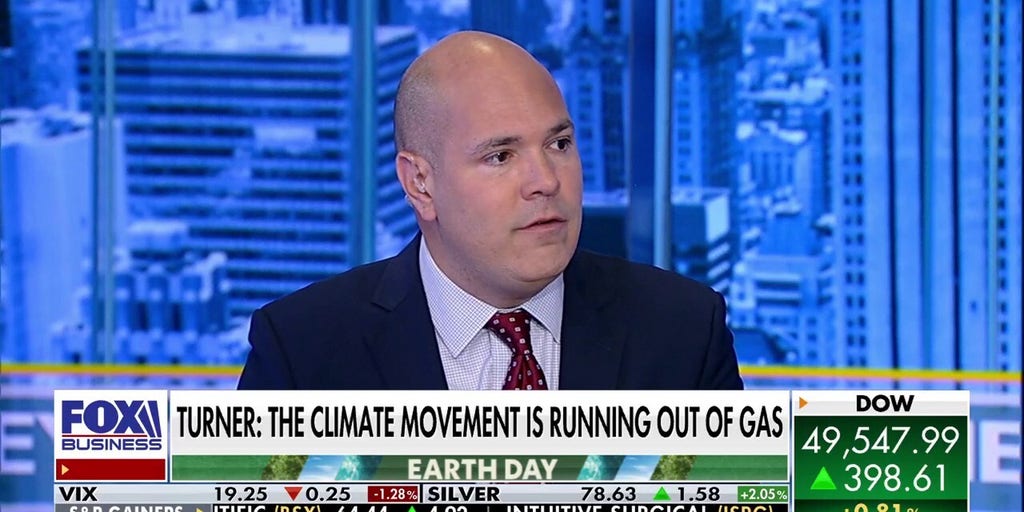
Current Challenges Facing the Climate Movement
The climate movement is encountering significant hurdles that threaten its momentum and effectiveness. These challenges include political resistance, public apathy, and the complexity of transitioning to renewable energy sources. As the urgency of climate change becomes more apparent, the movement must navigate these obstacles to maintain its relevance and drive meaningful action.
For example, recent studies indicate that public interest in climate issues has waned, with many individuals prioritizing immediate economic concerns over long-term environmental goals. Additionally, political divisions often hinder the passage of critical legislation aimed at addressing climate change, making it difficult for activists to mobilize support and effect change.
The Role of Independent Journalism in Climate Advocacy
Independent journalism plays a crucial role in amplifying the voices of climate activists and providing unbiased coverage of environmental issues. By focusing on in-depth reporting and investigative journalism, independent outlets can highlight the complexities of climate change and the various stakeholders involved in the movement.
Moreover, platforms like the Independent Journalist News Network (IJNN) are essential for fostering dialogue and informing the public about climate-related developments. Through articles, podcasts, and documentaries, independent journalists can present diverse perspectives and encourage informed discussions, ultimately contributing to a more engaged and aware citizenry.
Strategies for Revitalizing the Climate Movement
To regain momentum, the climate movement must adopt innovative strategies that resonate with a broader audience. This includes leveraging social media platforms to reach younger demographics, creating engaging content that simplifies complex issues, and forming coalitions with other social movements to emphasize interconnectedness.
For instance, campaigns that link climate action to social justice or economic equity can attract diverse supporters who may not have previously engaged with environmental issues. By framing climate change as a multifaceted challenge that affects various aspects of society, the movement can inspire collective action and drive change across different sectors.
Future Outlook: The Path Forward for Climate Activism
The future of climate activism hinges on the ability of the movement to adapt and evolve in response to changing circumstances. As technological advancements and scientific discoveries emerge, activists must remain informed and agile, ready to incorporate new solutions into their advocacy efforts.
Furthermore, fostering collaboration between grassroots organizations, policymakers, and scientists will be vital for creating comprehensive strategies that address climate change. By building a united front and focusing on shared goals, the climate movement can enhance its effectiveness and ensure that environmental issues remain a priority on the global agenda.